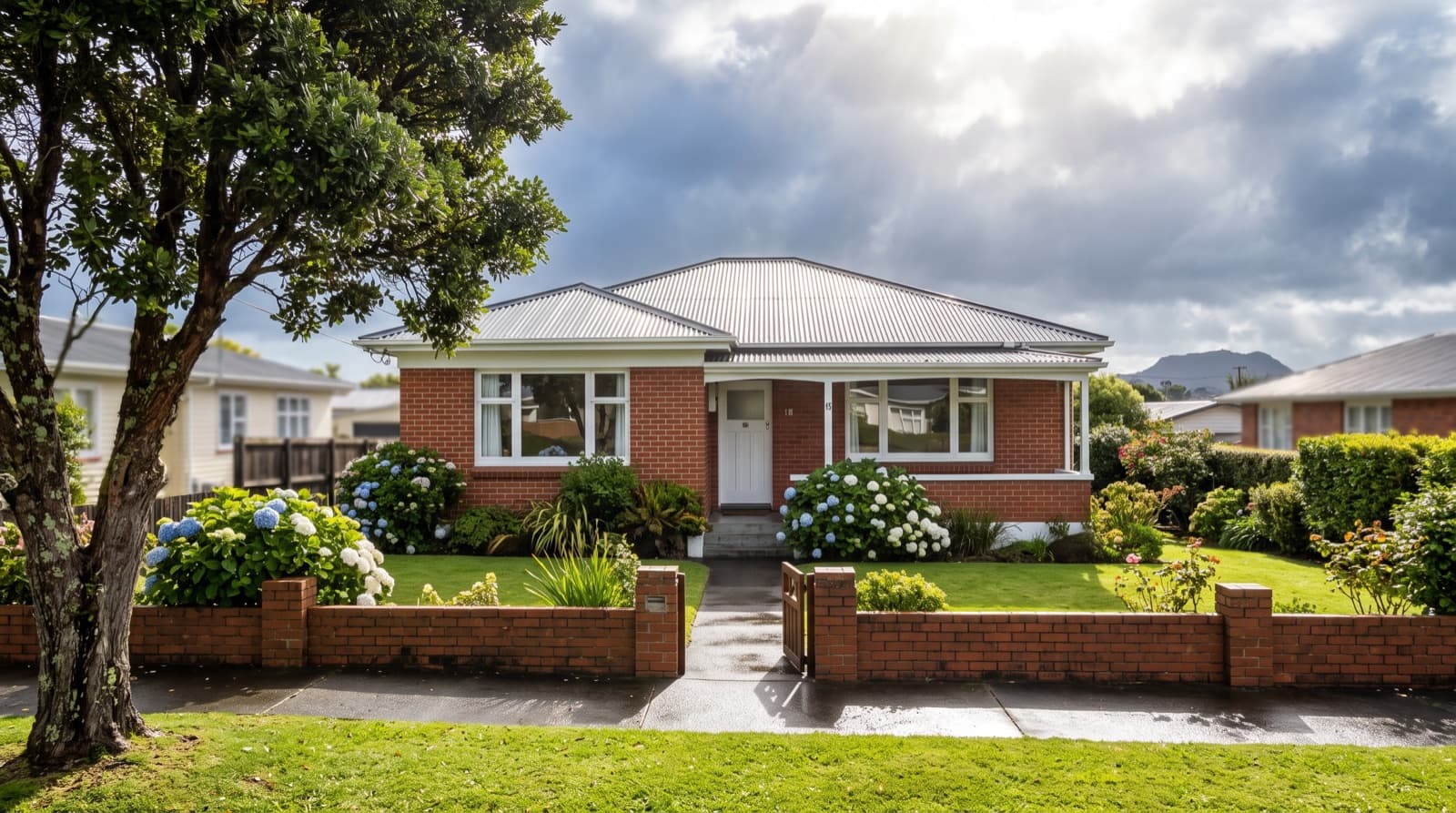
The CV is official, easy to look up, and produced without anyone setting foot in your home. Here is what really sets your Auckland sale price.
Almost every appraisal I do in Mount Wellington and Ellerslie starts the same way. We sit down, and within the first few minutes someone says, "Well, the CV is..." and quotes it to the dollar. I understand why. The CV is official, it is printed on a council document, and it is the one number about your home that everyone can look up in ten seconds. It feels like the truth.
It is not. And the gap between what your CV says and what your home is actually worth can run to hundreds of thousands of dollars, in either direction. Before you make any decisions about selling, it is worth understanding what that number really is.
What Your CV Actually Is
CV stands for capital value. You will also hear RV, rating valuation, and GV, government valuation. They are all the same number: the value Auckland Council assigns to your property so it can divide up the rates bill fairly across the city. That is its entire job. It was never designed to tell you, or anyone else, what your home would sell for.
Here is the part most owners do not realise: no one from the council has ever walked through your home. The CV is produced by a mass valuation model that processes suburb sales data, land size, floor area and broad property categories for hundreds of thousands of properties at once. It is a statistical estimate made from a desk, refreshed only every three years or so, and by the time you read it, it may already be describing a market that no longer exists.
Why It Misleads in Both Directions
Because the model has never seen inside, your CV is blind to exactly the things that move a sale price most.
Renovated your kitchen and bathrooms, landscaped the garden, repainted top to bottom? The model has no idea. Two identical-looking homes on the same Ellerslie street can carry the same CV while one is a renovated showpiece and the other has original 1970s carpet and a leaking spouting. On sale day those two homes might be separated by two hundred thousand dollars.
It cuts the other way too. If your home needs work, the CV can flatter it, because the model quietly assumes an average condition your property may not meet. I have had to have gentle conversations with owners whose homes were worth genuinely less than CV, and the number on the council website made those conversations harder, not easier.
The "Percentage of CV" Trap
During the boom years, Aucklanders developed a shorthand: homes are selling at 20 percent over CV, 30 percent over CV, and so on. It was always a rough average dressed up as a rule, and averages are where the detail goes to die. Within a single suburb, on a single weekend, I have seen one home sell well under CV and another well over. Applying a suburb-wide percentage to your individual home is like guessing your weight from the average of your street. When a buyer, or a vendor, prices off that shorthand, someone usually gets a surprise.
What Actually Sets Your Price
When I prepare an appraisal, the CV is barely a footnote. What matters is:
- Recent comparable sales. What did genuinely similar homes, same suburb, similar land, similar condition, sell for in the last 90 days? Not last year. Recently.
- Condition and presentation. The things the council model cannot see are the things buyers pay for the moment they walk in.
- Your title and your land. Freehold or cross-lease, full site or half, north-facing or shaded. These details move real money.
- Competition on the day. Price is set by the buyers who are active in your price bracket during your exact campaign, and by how many of them want your home at once. Two motivated buyers create a result no spreadsheet predicts.
How to Use Your CV Wisely
None of this means the CV is useless. It is a reasonable starting point for a rough sanity check, and it determines your rates, so you should care about it at revaluation time. When you sell, expect buyers to anchor on it, because they will. If your home is worth well over its CV, your marketing needs to explain why, with the renovations and the comparable sales laid out in plain sight. If it is worth less, an honest price from day one beats a slow discovery over eight quiet weeks. Either way, the CV is where the conversation starts. It must never be where it ends.
A Final Thought
Your CV is a rates number produced by a computer that has never stood in your kitchen. Your market value is set by real buyers standing in that kitchen during your campaign. The most expensive pricing mistakes I see in Mount Wellington and Ellerslie come from confusing the two.
If you would like to know what your home is actually worth right now, based on what is genuinely selling around you rather than a council spreadsheet, that is exactly what an appraisal is for. Book your free market appraisal today. →

Kellys Osorio
Licensed Salesperson, Barfoot & Thompson